The Endearing Appeal of the Slow Loris Sitting on a Branch Animal
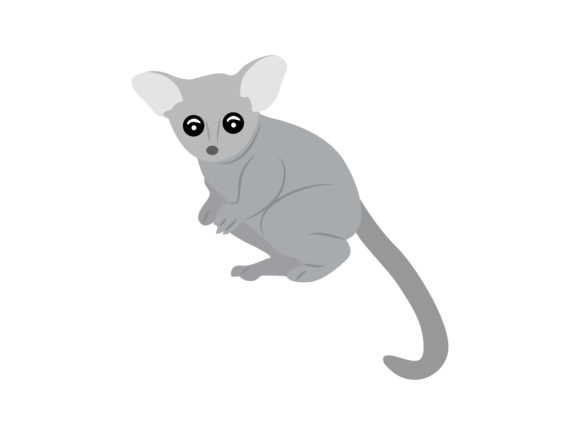
Certain design assets possess an immediate, almost magnetic charm. The Slow Loris Sitting on a Branch Animal illustration is precisely that kind of asset. It’s more than just a cute animal drawing; it’s a versatile piece of art that can infuse a project with personality, warmth, and a touch of the whimsical. For designers, entrepreneurs, and creators, understanding how to leverage such a character is key to building engaging visual narratives. This isn't about slapping a graphic on a template; it's about strategically using a character with inherent emotional appeal to connect with an audience on a deeper level.
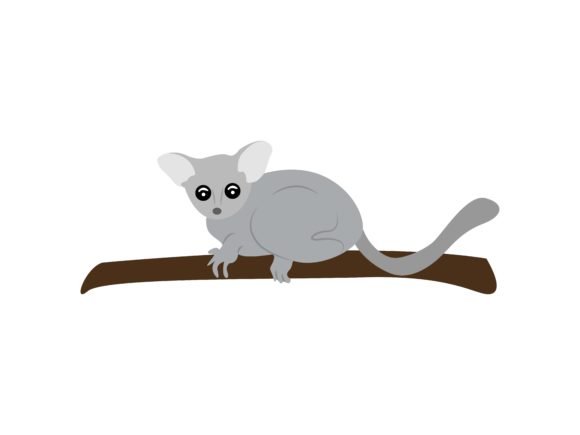
At its core, this illustration captures the essence of the slow loris—a creature known for its large, expressive eyes, soft fur, and deliberate, gentle movements. The depiction of it sitting on a branch suggests a moment of calm curiosity, a pause in the midst of nature. This visual personality is incredibly adaptable. It can convey innocence, mindfulness, or a playful sense of adventure depending on the context it's placed in. The style itself often leans towards a modern, clean aesthetic, making it suitable for both digital and print applications without feeling dated or overly childish. Its appeal lies in this balance of realism and stylized charm, making it a premium font of sorts in the world of illustration—polished, professional, and full of character.
Where This Animal Illustration Truly Shines
The utility of the Slow Loris Sitting on a Branch Animal extends far beyond a single application. Its strength is in its chameleon-like ability to adapt to different project requirements. Think of it as a foundational design asset that can be a starting point for a much larger creative conversation.
For packaging design, particularly for eco-friendly, children's, or artisanal products, this illustration can become the heart of the brand identity. Placed on a box, bag, or label, it immediately tells a story of nature, care, and quality. In the realm of editorial design, it can break up dense text in a magazine or blog post, serving as a charming spot illustration that draws the reader's eye. As a web design element, it can be a delightful mascot for a 'About Us' page, a loading animation, or a recurring motif in a site's iconography.
- Apparel & Merchandise: Its clear lines and high-contrast features make it ideal for T-shirt printing, tote bags, and hats. It translates well to both screen printing and direct-to-garment methods.
- Stationery & Invitations: As an element on an invitation card, it adds a unique, memorable touch for events like baby showers, nature-themed parties, or creative workshops.
- Digital Content & Social Media: Use it as a sticker in digital planners, an icon in a custom set, or the centerpiece of engaging social media graphics that stand out in a crowded feed.
- Educational Materials: For DIY printing projects, worksheets, or children's books, the illustration serves as a friendly, approachable guide into the world of wildlife.
The availability in Ai, EPS 10, JPG, and PNG file formats is critical here. The vector formats (Ai, EPS) allow for infinite scaling without loss of quality—essential for large-format printing or detailed icon work. The raster formats (JPG, PNG) are ready for immediate use in digital contexts. This multi-format approach ensures the asset is not just beautiful, but practical for a professional workflow.
Integrating Character into Your Brand Strategy
A well-chosen illustration does more than decorate; it communicates. Integrating the Slow Loris Sitting on a Branch Animal into your projects is an exercise in brand perception. This character can help a brand feel more approachable, trustworthy, and thoughtful. In a digital landscape often dominated by sleek, impersonal sans serif font pairings and abstract shapes, introducing an organic, character-driven element can create a powerful point of differentiation and foster stronger audience engagement.
Consider how it influences visual hierarchy. Used as a header image or a sidebar graphic, it naturally commands attention, guiding the viewer's journey through your content. Its presence can soften the overall tone of a layout that might otherwise feel too corporate or sterile. For a small business owner creating their own marketing materials, this asset can provide the professionalism and consistency of a custom illustration without the associated cost and timeline.
Practical Guidance for Implementation
Before you commit, evaluate the fit. Does the illustration's style align with your project's overall aesthetic? If your brand uses a handwritten font and a rustic color palette, this loris will fit right in. If your identity is built on sharp, geometric modern typography, you'll need to use it more strategically—perhaps as a standalone icon rather than a background pattern.
- Test Font Pairings: Typography is key. A script font might enhance its whimsy for a wedding invitation, while a clean serif font could lend it a more serious, editorial feel for a nature publication. Experiment to see what combination tells your intended story.
- Review Included Styles: Check if the asset pack offers variations. Are there different poses, color schemes, or simplified versions for use as icons? Having these options increases its utility across a logo design system or a full suite of brand identity materials.
- Consider Readability: When using it as a background element behind text, ensure sufficient contrast. A busy illustration can undermine the legibility of your core message. Often, using it in a less prominent role—as a watermark, a footer graphic, or an isolated element—preserves both its charm and your content's clarity.
- Understand Licensing: For any commercial font or asset, clarity on licensing is non-negotiable. Ensure the license permits your intended use, whether for a single client project, unlimited print-on-demand merchandise, or a digital product for sale. This protects your work and your investment.
Ultimately, the Slow Loris Sitting on a Branch Animal is more than a clipart image. It's a versatile creative font for the visual world—a tool that, when used thoughtfully, can add depth, emotion, and a distinctive voice to a wide array of projects. It bridges the gap between professional design needs and the human desire for connection, making it a valuable asset in any creator's toolkit.